Professionals across animal-assisted interventions often share a similar experience.
They prepare carefully for a therapy animal evaluation, complete the required exercises and earn approval through a volunteer therapy animal organization. Then they return to their school, clinic, or private practice and realize the evaluation looked very different from the work they perform each day.
An occupational therapist may partner with a therapy animal during fine motor activities. A counselor may have an animal settle near a client during a session. An educator may follow a carefully managed schedule that includes student activities, rest periods, and opportunities for the animal to disengage.
These roles involve different populations, goals, environments, and responsibilities.
Volunteer evaluations provide important information about readiness for volunteer visitation. Professionals also need an evaluation that examines the work they and their animal partner perform within a professional setting.
AAAIP developed the Therapy Animal Evaluation for Professionals to meet that need.
Different Roles Require Different Evaluations
Volunteer therapy animal organizations have prepared teams for community visits for decades. Their evaluations often assess whether a handler and animal can safely interact with a wide range of people, respond appropriately in unfamiliar environments, and follow the organization’s standards during volunteer visits.
That work has tremendous value.
Professional animal-assisted interventions have additional considerations. The animal may be incorporated into planned, goal-oriented, and documented work connected to the professional’s existing role.
A teacher may partner with a therapy animal to support a student’s reading goal. A mental health professional may include an animal in a structured regulation activity. An occupational therapist may develop an intervention connected to movement, coordination or daily living skills.
These activities require professional judgment, knowledge of the client population, thoughtful risk management, and consistent attention to animal welfare.
The Therapy Animal Evaluation for Professionals asks a role-specific question: Can this professional and animal partner safely, ethically, and effectively, and perform the work expected of them in this setting?
We Want to See the Work You Actually Do
One of the defining features of the Therapy Animal Evaluation for Professionals is its focus on professional context.
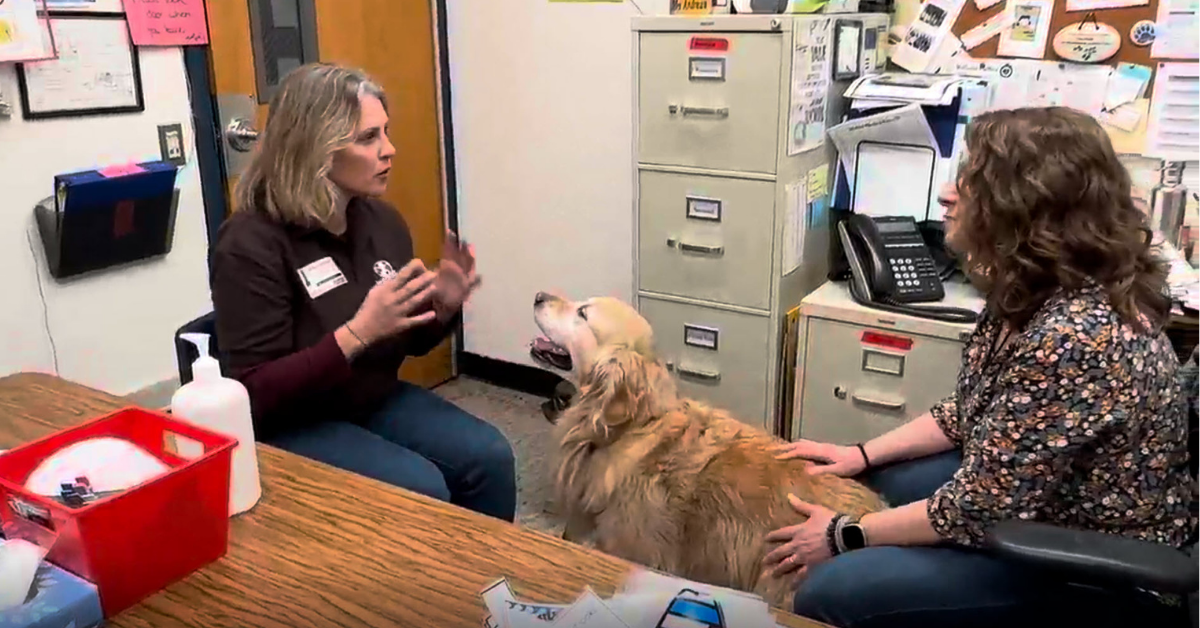
Whenever possible, the evaluation takes place in the professional’s work environment. When the workplace cannot be used, the assessment occurs in a setting designed to reflect the team’s usual responsibilities and conditions.
The assessor observes representative elements of the team’s work. This provides a more accurate picture of how the professional and animal function together.
During the evaluation, the assessor considers how the animal responds to the clients, students or patients involved. They observe whether the professional recognizes signs of stress, responds appropriately, and gives the animal opportunities to rest or disengage. The assessor also considers the animal’s workload, the physical environment, and the professional’s approach to managing potential risks.
The evaluation looks closely at the partnership. Does the professional understand the animal’s individual communication? Are activities appropriate for the animal? Can the professional make adjustments when the animal needs a break, additional support or a change in the plan?
These observations reflect the realities of professional practice and help determine whether the setting supports both participant outcomes and animal welfare.
Professional Judgment Needs Clear Safeguards
Professionals may incorporate therapy animals into interventions in ways that are different from volunteer visits.
An occupational therapist might invite a client to prepare enrichment materials or complete a coordinated movement activity connected to the animal’s care. A counselor may allow an animal to choose where to settle within a securely managed private office. A school psychologist might guide a child through a structured interaction that supports emotional regulation when the activity is appropriate and welcomed by the animal.
These decisions should fit the professional’s role and follow workplace policies. They should also account for infection prevention, risk management, participant needs and the animal’s preferences.
The Therapy Animal Evaluation for Professionals gives assessors an opportunity to examine these decisions within the context in which they occur. The process looks at whether activities have a clear purpose, whether the environment is appropriately managed, and whether the professional protects the animal’s ability to communicate and disengage.
This context helps the assessor recognize thoughtful professional practice and identify situations that may create avoidable risk or place too much demand on the animal.
What Professionals Gain from the Evaluation
The Therapy Animal Evaluation for Professionals provides an objective review of the professional-animal partnership and the environment in which the work occurs.
Through the process, professionals may gain greater clarity about whether their animal partner is well suited for the role. The evaluation can affirm practices that already support safe and ethical work while identifying routines, environmental factors or workload concerns that deserve additional attention.
This outside perspective can also help professionals prepare for conversations with supervisors, administrators or risk management teams. Completing a role-specific evaluation shows that the program was planned carefully and with animal welfare in mind.
Feedback may also help the professional build a more sustainable schedule for the animal. A therapy animal may enjoy the people and activities involved while still needing shorter sessions, longer breaks or changes to the environment. Recognizing those needs can strengthen the partnership and support the animal’s long-term well-being.
For professionals who have developed their programs largely on their own, objective feedback can be especially valuable. Daily familiarity can make certain patterns difficult to recognize. A trained assessor brings an informed outside perspective to the team’s readiness, routines, and responsibilities.
A Pilot Experience That Confirmed the Need
During the pilot phase of the Therapy Animal Evaluation for Professionals, several teams completed both a traditional volunteer evaluation and AAAIP’s evaluation within the same week.
One dog performed especially well during the Therapy Animal Evaluation for Professionals. The dog appeared calm, engaged, and comfortable with the students and activities involved in the team’s regular work. The assessor observed a strong partnership between the professional and the animal. The team has continued to work successfully together in a professional setting.
The same dog did not pass the volunteer evaluation.
The dog struggled with the structured mock environment, unfamiliar medical equipment, and exercises that did not reflect the team’s usual role.
Each evaluation provided information about the role it was designed to assess. The volunteer evaluation examined the team’s readiness for volunteer visitation. The Therapy Animal Evaluation for Professionals examined the team within its established professional responsibilities.
This experience reinforced the importance of matching an evaluation to the work being performed.
Protecting People and Animals Through an Accurate Process
Professional settings can place unique demands on therapy animals.
A school may include noise, transitions, large groups and long periods on site. A private practice may involve emotionally intense sessions. A healthcare environment may include mobility equipment, infection prevention protocols and medically vulnerable populations.
The Therapy Animal Evaluation for Professionals considers how the professional prepares for these demands. It also examines whether the animal appears comfortable in the setting and whether the professional consistently advocates for the animal’s welfare.
This level of observation supports everyone involved. Clients, students, and patients benefit from carefully planned interactions. Professionals gain informed feedback about their decisions. Animal partners receive the rest, support and advocacy they need to thrive in their roles.
A role-specific evaluation can also help a professional recognize when a setting or activity is no longer appropriate for an individual animal. Therapy animals may change as they age, gain experience or encounter new environmental demands. Ongoing attention to suitability is an essential part of responsible practice.
For this reason, the Therapy Animal Evaluation for Professionals should be completed every two years or following a significant change in the professional’s work, setting or animal partnership.
Is the Therapy Animal Evaluation for Professionals Right for You?
The Therapy Animal Evaluation for Professionals is designed for people who incorporate their own therapy or facility animal into paid professional work.
This may include educators, counselors, psychologists, social workers, occupational therapists, speech-language pathologists, healthcare professionals, and others who partner with an animal in a school, clinic, private practice, hospital or similar setting.
It may be an appropriate next step when you want an evaluation that reflects your actual responsibilities, need objective feedback about your team’s readiness or want to demonstrate your commitment to ethical animal-assisted interventions.
The evaluation is also part of the eligibility pathway for the liability insurance offered by AAAIP. Professionals with an active AAI Specialist Certification (C-AAIS) who have completed the Therapy Animal Evaluation for Professionals are eligible to apply for this insurance. AAAIP membership is not required.
Take the Next Step in Your Professional Practice
Your professional role deserves an evaluation designed around the work you and your animal partner perform together.
The Therapy Animal Evaluation for Professionals considers your setting, population, intervention goals, professional judgment, and animal welfare practices. It provides a clear and informed picture of whether your team is prepared for safe, ethical, and sustainable work.
Learn what to expect, review the eligibility requirements and begin your Therapy Animal Evaluation for Professionals here.